
What Is a Holiday Display Planner? A Family Guide

A holiday display planner is a structured organizational tool that tracks every detail of your festive decorating process, from theme selection and budgeting to installation scheduling and electrical safety. Most families treat decorating as a shopping trip. Professional designers treat it as a project with phases, deadlines, and checklists. That difference is exactly what a display planner captures. Used correctly, it replaces last-minute stress with a clear sequence of decisions made weeks or months in advance. This guide breaks down what a display planner includes, why timing matters more than most people realize, and how to build one that works for your home.
What is a holiday display planner and what does it include?
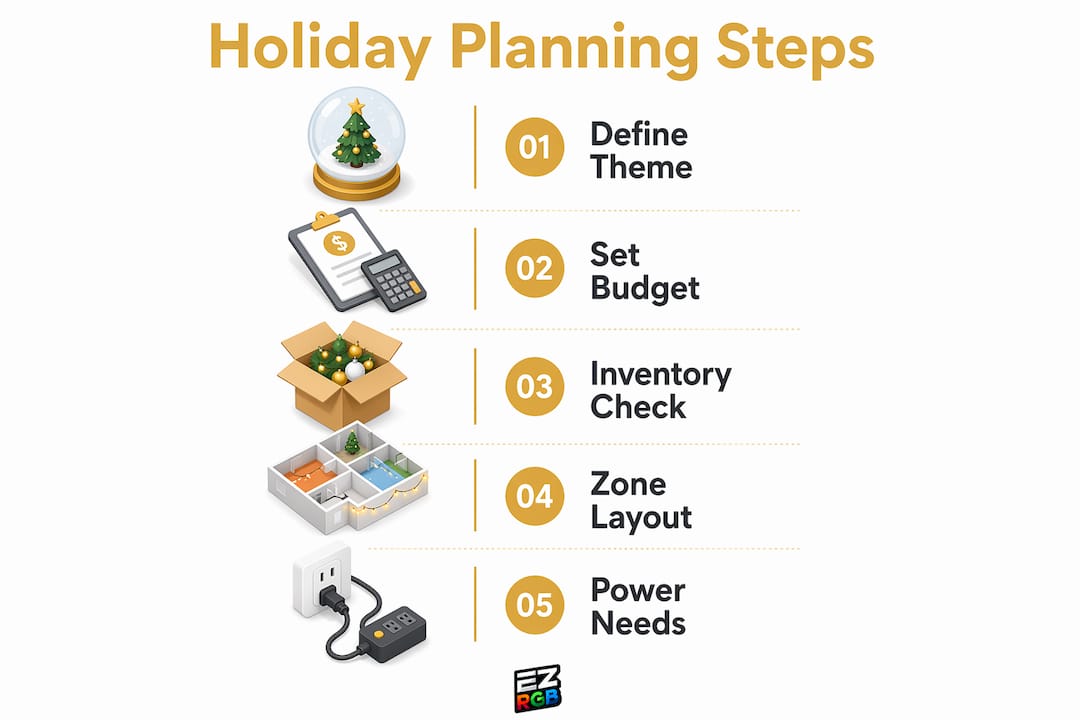
A holiday display planner is a planning roadmap that tracks your theme, layout, inventory, power requirements, and phased calendar in one place. The industry term for this kind of document is a “decorating project plan,” and the two phrases describe the same thing. The planner moves you from vague ideas to concrete decisions before you spend a dollar on decorations.
A complete display planner covers six core areas:
-
Theme and color palette. Your theme is the creative foundation. Choosing it first keeps every purchase aligned. A warm white and greenery theme, for example, rules out neon inflatables before you waste money on them.
-
Budget and approval timeline. Write your total budget at the top of the planner. Break it into categories: lights, props, hardware, and installation labor. Locking the budget early prevents overspending in october when stores flood shelves with tempting new products.
-
Inventory list. Catalog every item you already own before buying anything new. Note condition, quantity, and storage location. This step alone eliminates duplicate purchases.
-
Room-by-room or zone-by-zone layout. Map where each decoration goes. Assign specific items to the front porch, entryway, living room, and yard. A layout plan makes setup day faster and prevents the “where does this go?” scramble.
-
Power and electrical safety. List every electrical item, its wattage, and which circuit it will use. Overloaded circuits are a fire risk and a common reason displays fail on the first night.
-
Phased calendar. Break the project into stages: planning, ordering, delivery, setup, testing, and takedown. Assign a date range to each stage.
Pro Tip: Print your planner or keep it in a shared digital folder so every family member can check it. A plan nobody reads is just a document.
Why should you start planning holiday displays early?
Planning 6–12 months before your target installation date is the standard for both commercial and large-scale residential displays. That means starting between march and may for a December display. Most families find this timeline surprising, but the logic is straightforward.
Early planning gives you three concrete advantages. First, popular lighting products and themed props sell out by September. Starting in spring means you order before stock runs low. Second, budget approvals take time in households where multiple people share finances. A may decision is far less stressful than a November argument. Third, professional installations typically take 1–7 days depending on complexity. Scheduling that window in advance is much easier than scrambling for a contractor slot in late November.
Starting your holiday display planning in spring is not excessive. It is the standard practice among professional designers, and it is the single most effective way to avoid supply shortages, rushed purchases, and installation delays that ruin the experience for your family.
Late planning creates a cascade of problems:
-
Depleted inventory forces you to substitute items that do not match your theme.
-
Rushed purchasing leads to overspending on expedited shipping.
-
Skipping the electrical review increases the risk of tripped breakers or fire hazards.
-
Compressed setup timelines leave no room to fix mistakes before guests arrive.
Starting early also separates the planning phase from the buying phase. These are two different activities. Planning happens in spring. Buying happens in summer or early fall, after your layout and inventory list are already complete.
How can you organize and manage your display projects?
Holiday decorating is a logistics operation, not just a creative task. Treating it that way changes how you approach every decision. The most effective organizational strategy for families is the modular approach.
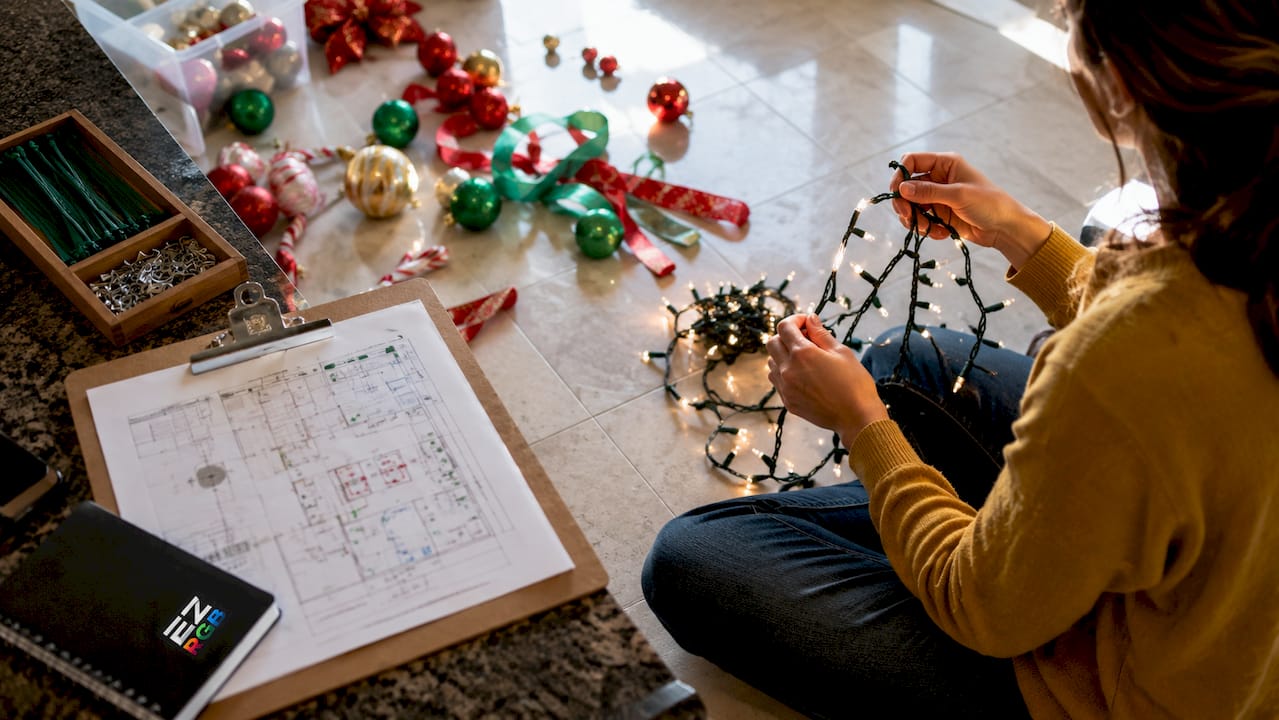
Modular purchasing means buying your core pieces first, then adding smaller elements each year. Year one, you invest in quality lights, a few anchor props, and the hardware to hang them. Year two, you add a themed focal piece, singing faces are perfect. Year three, you refresh with new songs or a second focal piece. This keeps annual costs manageable and gives your display a reason to evolve.
Here is a practical four-step process for managing your display project:
-
Identify your key zones first. Focusing on entrances and focal points delivers the highest visual impact per dollar spent. A well-lit front door and roofline outperforms scattered decorations across every surface of your yard.
-
Build in a testing buffer. Schedule at least two days between “setup complete” and your display’s first night on. Technical displays involving music synchronization or light sequences almost always need troubleshooting time. Two days gives you room to fix issues without panic.
-
Order extra hardware components. Experienced decorators order 10–15% more clips, ties, and connectors than their initial count. Small parts get lost, break, or run short during installation. A spare bag of clips costs almost nothing and saves a hardware store trip mid-setup.
-
Plan for maintenance. Check your display after the first major wind or rain event. Look for shifted props, loose connections, and burnt-out sections. A 20-minute check after bad weather prevents a full failure later in the season.
Pro Tip: Create a “lessons learned” note at the end of each season. Write down what broke, what ran out, and what you wished you had planned differently. That note becomes the first page of next year’s planner.
For families adding animated light shows, EZRGB’s animated display setup guide walks through the technical steps in plain language, including how to sequence lights with music by using the EZRGB system.
What are the most common holiday display planning mistakes?
The most common mistake families make is confusing buying with planning. Walking through a store in October and filling a cart is not a plan. It is a reaction. A real plan exists before you enter any store, physical or online.
Watch for these specific pitfalls:
-
Skipping the electrical audit. Every string of lights, inflatable, and animated prop draws power. Adding them all to one outdoor circuit without checking the load is how displays fail or cause hazards. Map your circuits before you buy a single new item.
-
Waiting until fall to start. By October, the best pixel lighting products and themed props are already backordered. Families who start in spring have first access to full inventory at regular prices.
-
No delivery coordination. Large props and light kits ship in multiple boxes. If you have not planned where to store them before setup day, you end up with boxes blocking your garage for weeks.
-
Missing small components. Forgetting to order mounting hardware, extension cords rated for outdoor use, or ground stakes is extremely common. These items are easy to overlook in the excitement of choosing decorations, and they are the items that stop setup cold.
-
No takedown plan. Packing decorations without a system means next year’s planner starts with a box of tangled, unlabeled items. Label every storage bin by zone and include a photo of how the items looked installed.
Pro Tip: Before finalizing your order, run through your layout zone by zone and ask: “What do I need to physically attach, power, and store this item?” That question catches missing hardware every time.
For families new to managing power requirements, EZRGB’s beginner lighting guide covers electrical load basics in straightforward terms.
Key Takeaways
A holiday display planner is the single most effective tool for turning a stressful, reactive decorating process into a calm, organized project with predictable results.
| Point | Details |
|---|---|
| Start planning in spring | Begin 6–12 months before installation to secure inventory and avoid supply shortages. |
| Cover all six planner components | Theme, budget, inventory, layout, electrical safety, and a phased calendar all belong in your plan. |
| Use the modular strategy | Buy core pieces first and add elements annually to keep costs manageable and designs fresh. |
| Focus on key zones | Prioritize entrances and focal points for the highest visual impact with the least complexity. |
| Build in testing time | Allow at least two days for troubleshooting before your display goes live, especially for animated shows. |
Why planning changed how we think about holiday decorating
From the EZRGB Team’s perspective, the biggest shift in holiday decorating is not the technology. It is the mindset. Families who plan early do not just have better displays. They actually enjoy the process.
The families we hear from most often are the ones who felt overwhelmed in previous years, bought things impulsively, and ended up with a mismatched yard full of decorations that did not quite work together. When they switched to a structured planner, the first thing they noticed was not a better display. It was less stress in November.
The honest reality is that logistics are unglamorous. Writing down circuit loads and ordering extra zip ties is not the fun part of holiday decorating. But it is the part that determines whether your display works on the night it matters most. The creative decisions, the color choices, the music selection — those are easy and enjoyable when the logistics are already handled.
Our advice: start smaller than you think you need to, plan earlier than feels necessary, and build incrementally. A focused, well-executed display in two key zones beats a sprawling, half-finished yard every time.
— EZRGB Team
How EZRGB supports your holiday display planning
Planning a holiday display is one thing. Bringing it to life with animated, music-synchronized lights is another level entirely, and EZRGB makes that step accessible for any family.
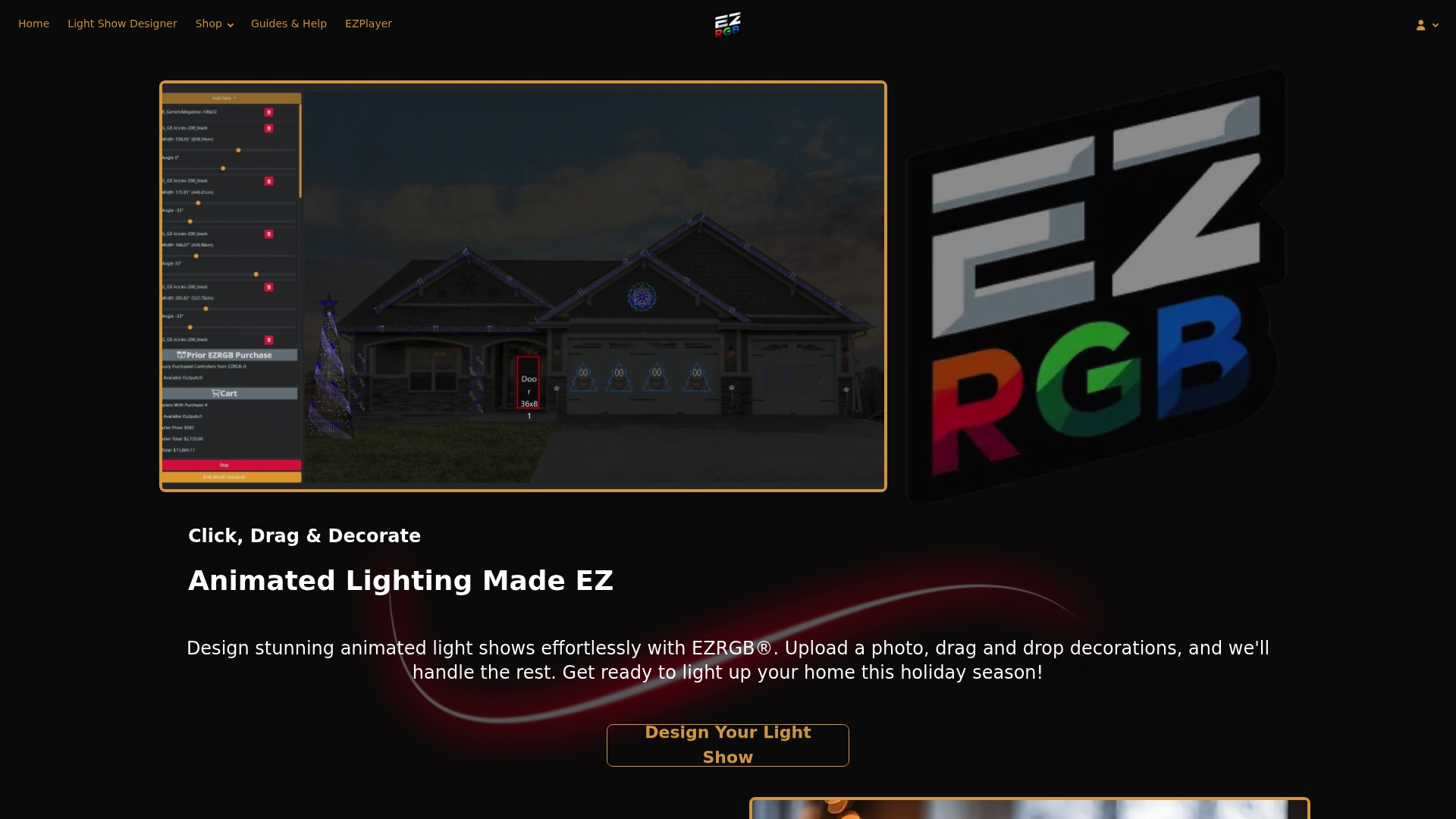
With EZRGB’s light show designer, you upload a photo of your home, drag and drop pixel lighting props onto it, and sync everything to your chosen music track. No technical skills required. The platform ships plug-and-play kits that fit directly into the layout you planned. Whether you are adding your first animated element or building out a full front-yard show, EZRGB’s guides and help resources walk you through every step. Visit EZRGB to see the full range of themed Pixel Pro Displays sequences (songs) and find the kit that fits your display plan.
FAQ
What is a holiday display planner?
A holiday display planner is an organizational document that tracks your theme, budget, inventory, layout, electrical requirements, and installation timeline in one place. It functions as a project plan for your seasonal decorating.
When should you start planning a holiday display?
The standard recommendation is to begin 6–12 months before your installation date, ideally between march and may for a december display. Starting early secures inventory and allows time for budget decisions.
What does a holiday display planner include?
A complete planner covers theme and color palette, budget breakdown, existing inventory, zone-by-zone layout, power and circuit planning, and a phased calendar with dates for ordering, setup, testing, and takedown.
How do you avoid running out of supplies during setup?
Order 10–15% more small hardware components, such as clips, ties, and connectors, than your initial count requires. Small parts are the most common reason setup stalls mid-project.
Why do professional designers focus on key zones?
Concentrating decorations on entrances and focal points delivers higher visual impact and makes maintenance easier than spreading decorations across every available surface. It is a standard principle in professional display design.